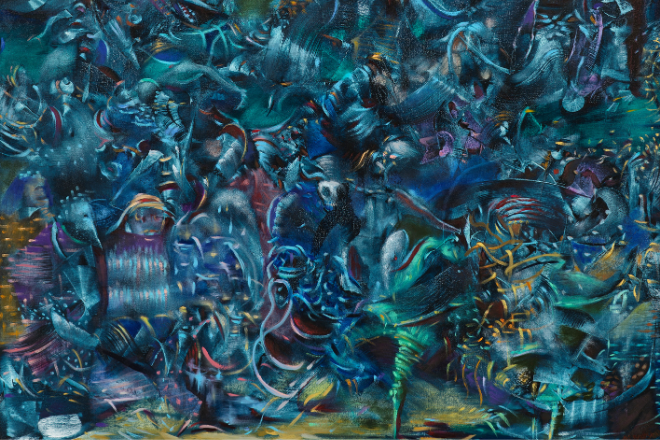



"Des Chimères"
Temporary exhibition by Margaux Laurens-Neel
Some days until 7th July 2025
Audience type General public

The Gustave Moreau museum invites a young artist to take a look at the Gustave Moreau museum's landmark works.
Les Chimères, an enigmatic work, drawn as much as painted, and even tattooed. A work from which emanate creatures and monsters, intertwined with the bodies of their mistresses, countless naked maidens, chained to their vices, in dissidence with other women clothed and crowned in medieval finery, who process to the marvelous heights of the canvas, between Gothic city and craggy mountains.
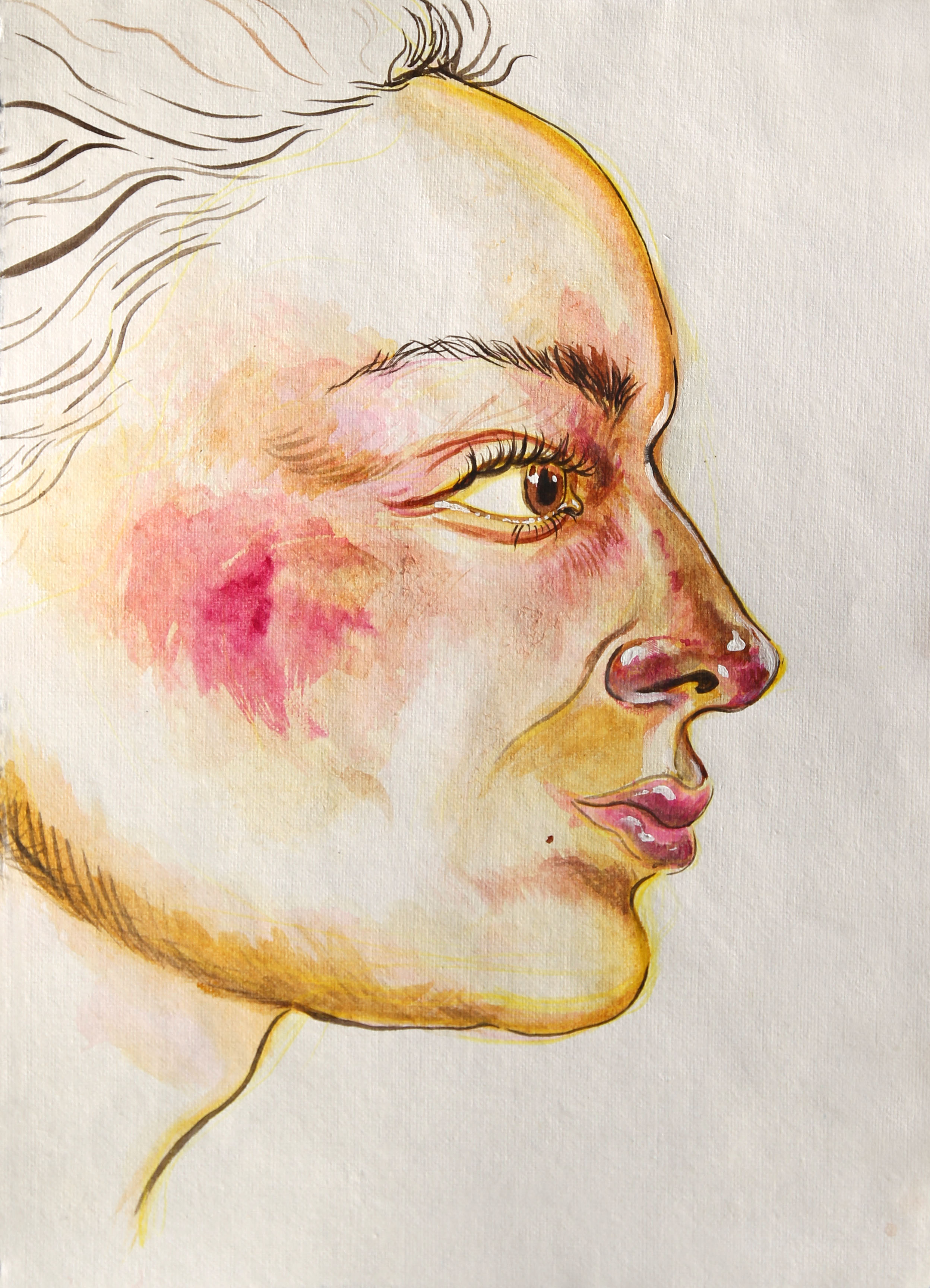
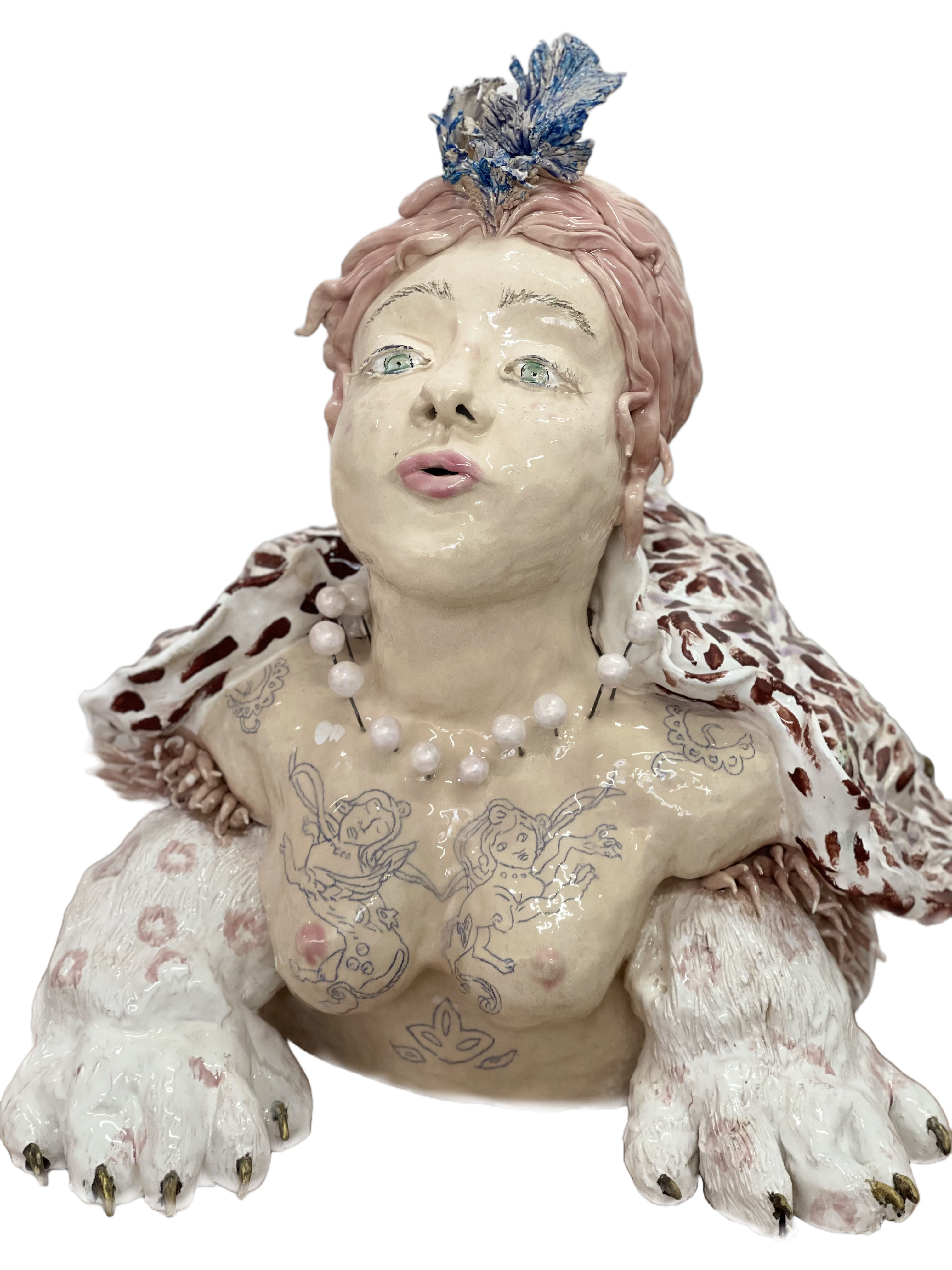
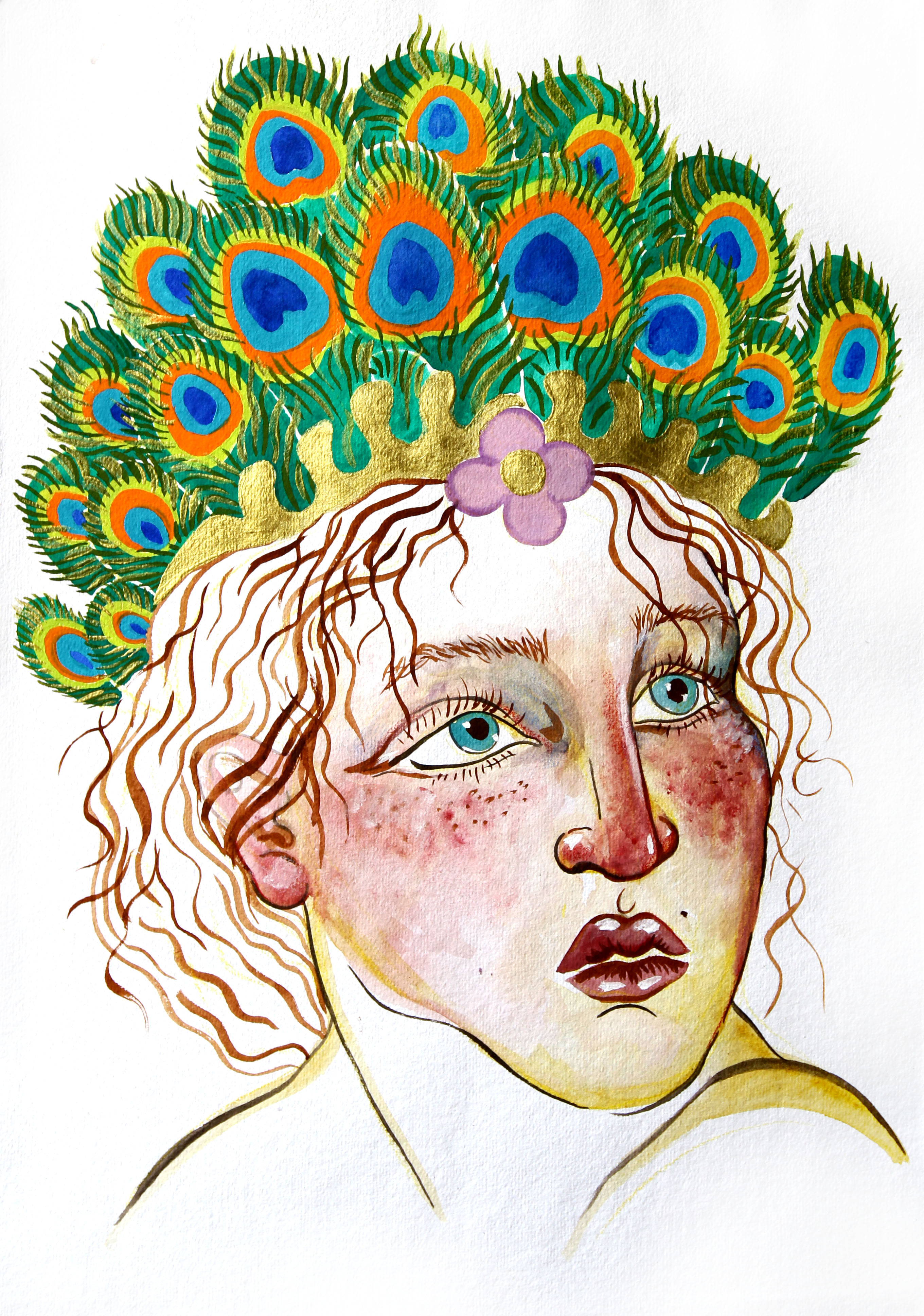
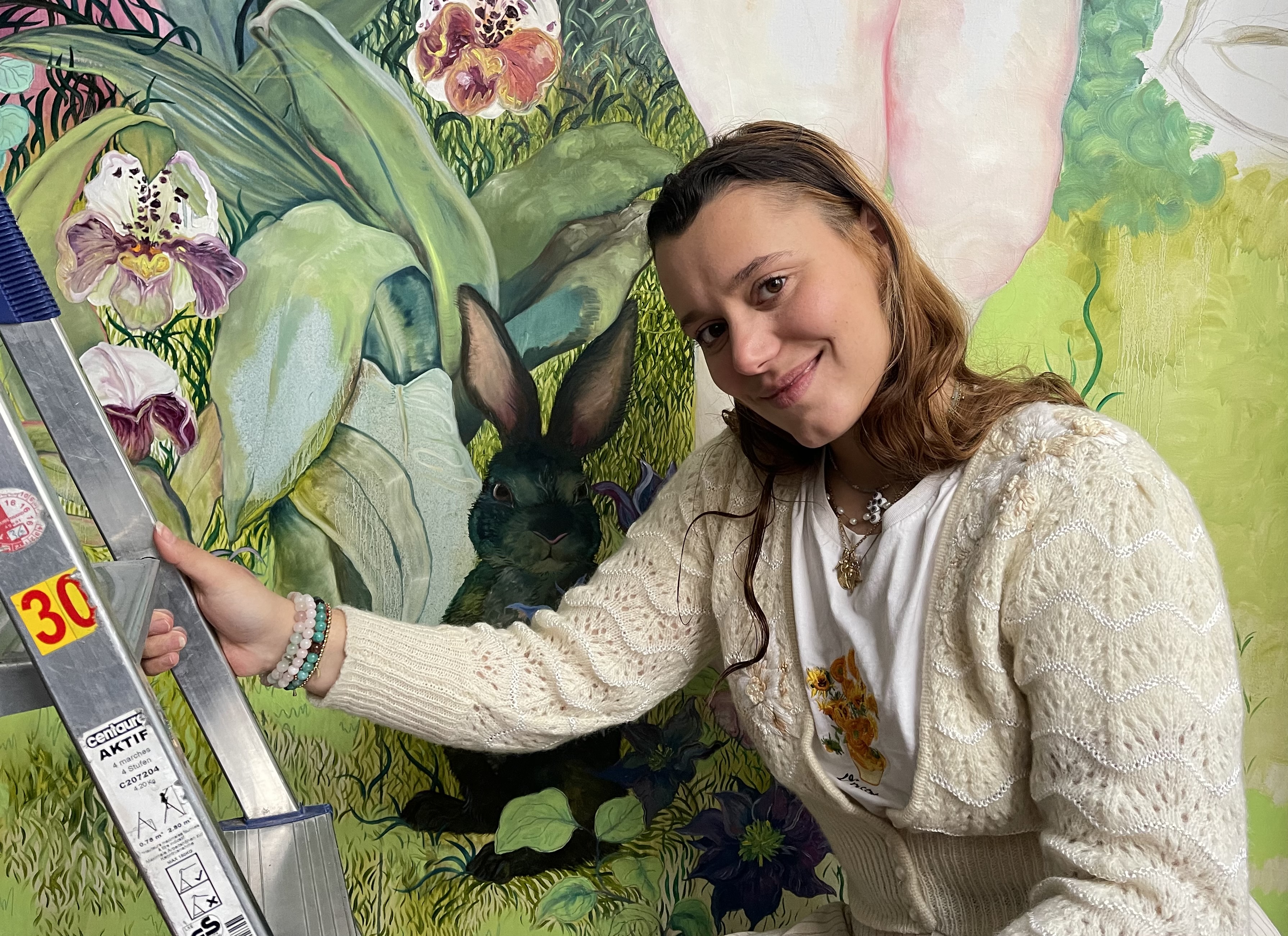
This highly symbolic work, imbued with antiquity, the Middle Ages and spirituality, is now reinterpreted by the young artist Margaux Laurens-Neel, who offers you, through ceramic sculpture and watercolor, a new journey to the heart of this dream island.
"This island of fantastic dreams contains all the forms of passion, fantasy, caprice in women [...]", wrote Gustave Moreau in a commentary on his work Les Chimères, in a November 1897 publication, thirteen years after leaving this canvas unfinished in 1884.
From the museum's first floor to the large studio, the swarming creatures, colorful and lustrous, take their place in their setting. Hybrid animals, reworked female figures, flowers and wildlife unfold until July 7, 2025.
Margaux Laurens-Neel, born in Deauville in 1997, is a Franco-British painter, photographer and sculptor. She lives and works in Paris. She graduated from the Beaux-Arts de Paris in 2021, where she attended the studios of comic book artist Joann Sfar and photographer Eric Poitevin, and was taught by art historian François-René Martin. Her career was punctuated by a stay at the Academy of Fine Arts in Vienna and another in Berlin.
Through a sensual dialogue between painting and ceramics, she questions the place and representation of women through the history of art and figuration, the modes of representation of the nude body, and the expression of feminine desire, through the use of a symbolic bestiary and the language of flowers, that of clothing, accessories, color...
To discover
A Fantastic Tour at Dusk

Upcoming exhibitions

Talisman.